
Gambling should always be approached as a form of discretionary entertainment—never as a financial plan, an investment instrument, or a solution to personal debt. The thrill of digital casino games, video slots, and live table streaming is enjoyable only when conducted within strict personal, emotional, and financial boundaries. When gaming ceases to be fun and begins generating stress, anxiety, or financial strain, immediate intervention is necessary.
This comprehensive player protection guide outlines the practical tools, behavioral self-assessments, financial disciplines, and external support services available to help Filipino players maintain complete control over their digital entertainment habits.
The Golden Rules of Responsible Entertainment
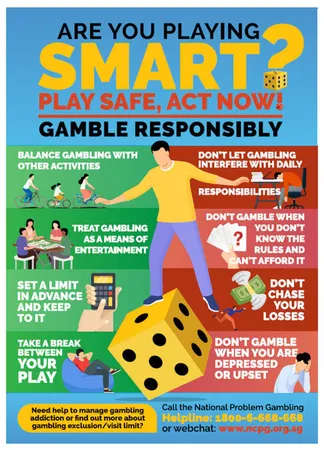
Practicing responsible gaming requires establishing firm behavioral boundaries before placing a single wager. These fundamental rules provide an effective defense against compulsive behavior:
Establish a Strict Entertainment Budget
Treat your gaming expenditures the same way you treat purchasing a movie ticket or dining at a restaurant. Only allocate discretionary income that remains after all essential living costs—including food, housing, utilities, savings, and healthcare—have been fully covered. Never gamble with money needed for basic household survival.
Never Chase Lost Funds
Experiencing losses is an inevitable mathematical component of every casino game. When you reach your predetermined loss threshold for the day, step away completely. Chasing losses by increasing bet sizes or making rapid follow-up deposits almost always compounds financial damage.
Set Rigid Time Limits
Digital mobile gaming makes it easy to lose track of time. Before opening a game, set an external alarm on your phone or designate a specific stopping time (for example, 45 minutes). When the alarm sounds, close the application regardless of whether you are ahead or behind.
Avoid Gambling Under Emotional or Chemical Impairment
Never wager when you are experiencing severe stress, depression, anger, or loneliness. Similarly, never gamble while under the influence of alcohol or medication that impairs judgment. Emotional distress and chemical impairment cloud analytical decision-making and lead to erratic wagering.
Understand the Mathematical Realities
Every casino game—whether a JILI video slot, digital roulette, or live baccarat—possesses an inherent mathematical advantage favoring the operator, known as the house edge. While short-term winning streaks occur, the mathematical reality over time is that the house will prevail. Never expect gaming to yield consistent profits.
Problem Gambling Self-Assessment Questionnaire
Recognizing the transition from recreational gaming to problematic behavior requires honest self-reflection. Ask yourself the following evaluation questions:
[1. Do you spend more money than planned?] ──> [2. Do you borrow money to play?]
                       │                                      │
[3. Do you hide your gaming from family?]  ──> [4. Does gaming cause stress or insomnia?]
- Have you ever wagered money allocated for rent, groceries, school tuition, or utility bills?
- Do you feel a compulsive urge to return immediately to "win back" money lost in previous sessions?
- Have you lied to your spouse, parents, or friends about the amount of money or time you spend on digital gaming?
- Have you ever borrowed money, taken out online micro-loans, or sold personal belongings to fund a deposit?
- Does thinking about gaming interfere with your workplace productivity, professional focus, or family commitments?
- Do you experience heightened anxiety, sleep deprivation, or severe mood swings after gaming sessions?
- Have you attempted to reduce your playing time or stop altogether, but found yourself unable to maintain that decision?
- Do you feel the need to place progressively larger wagers to achieve the same feeling of excitement?
If you answered "Yes" to two or more of these questions, your relationship with gaming is moving into a hazardous zone. You should take immediate proactive steps to restrict your access and seek professional guidance.
Technical Player Protection Tools
Modern online gaming platforms provide automated account management features designed to help players maintain discipline. We strongly recommend configuring these controls immediately after registering an account:
Daily, Weekly, and Monthly Deposit Limits
Deposit limits restrict the total amount of money you can transfer into your gaming wallet within a given calendar window. Once your limit is reached, the cashier automatically blocks further top-ups via GCash, Maya, or bank cards until the reset period elapses.
- How to use: Navigate to Member Settings > Responsible Gaming > Deposit Limits and enter your personal monthly entertainment allowance.
Session Reality Checks and Timers
A reality check is an automated pop-up notification that appears on your screen at designated intervals (such as every 30 or 60 minutes). It displays the exact duration of your current session, the total amount wagered, and your net win or loss, forcing you to consciously decide whether to continue playing.
Cool-Off / Temporary Time-Out Periods
If you feel your gaming is becoming too intense or you experience a frustrating loss, you can activate a temporary time-out. This suspends your ability to log in or deposit for a chosen timeframe—typically 24 hours, 7 days, or 30 days. Cool-off periods cannot be reversed by customer service until the timer expires.
Permanent Self-Exclusion
Self-exclusion is a formal commitment to ban yourself from an operator's gaming platform. When you initiate self-exclusion (available for 6 months, 1 year, or permanently):
- Your account is immediately deactivated.
- Any remaining cash balance (free of wagering obligations) is returned to your verified e-wallet.
- You are removed from all marketing SMS lists and promotional outreach.
- The platform's automated systems actively prevent you from creating new profiles using the same Philippine mobile number, ID, or IP address.
Financial Safeguards and E-Wallet Protection
Because digital payment rails in the Philippines are instantaneous, practicing financial segregation is an effective barrier against impulsive spending:
Maintain a Separate Entertainment E-Wallet
Never connect your primary payroll bank account or main household savings wallet directly to a gaming platform. Instead, consider maintaining a secondary digital wallet with a strictly limited balance. Transfer only your pre-approved entertainment budget into that wallet at the start of the week.
Utilize Banking Notification Limits
Most Philippine banks, including BDO Unibank and BPI, allow account holders to establish daily transaction thresholds through their mobile apps. Setting low daily transfer limits on e-wallet cash-ins prevents emotional overspending during vulnerable moments.
Ban Gambling Transactions on Credit Cards
Credit cards should never be used for real-money gaming. Borrowing money at high interest rates (often 2% to 3% monthly) to fund speculative gaming creates severe compounding debt cycles. Stick exclusively to debit or cash-in advance mechanisms.
Preventing Underage Gambling in the Philippines
In the Republic of the Philippines, real-money gaming is strictly reserved for individuals aged 21 and older. Underage gambling is unlawful, promotes cognitive harm, and carries severe risks for young people whose financial discipline and impulse control are still developing.
Guidelines for Parents and Guardians:
- Never Share Account Credentials: Never allow minors to access your smartphone while gaming apps or e-wallets are unlocked. Enable biometric authentication (fingerprint or Face ID) on all financial applications.
- Keep Payment MPINs Confidential: Never share your 4-digit GCash or Maya MPIN with children, even for household errand purchases.
- Install Parental Filtering Software: If you share a home computer or tablet with teenagers, install dedicated web-filtering software (such as Net Nanny, Qustodio, or Bark) to automatically block gambling websites and mobile application downloads.
- Educate on Financial Reality: Discuss the mathematics of gambling openly with young adults. Explain that advertising campaigns depict rare big wins while systematically hiding the vast volume of everyday losses.
Professional Support Organizations and Free Helplines
If you, a close friend, or a family member are struggling with gambling-related harm, remember that you are not alone. Compulsive gambling is a recognized behavioral health condition that responds effectively to specialized support and treatment. Free, confidential, and professional assistance is readily accessible:
Accredited International and Regional Support Helplines
Provides comprehensive educational resources, free online self-assessment diagnostics, and a confidential 24/7 live chat service connecting individuals with trained support professionals.
A global fellowship of men and women who share their experience, strength, and hope to overcome compulsive gambling. Offers localized mutual support meetings, peer mentorship, and structured 12-step recovery programs.
A specialized charity delivering intensive residential and online recovery programs for individuals severely affected by gambling addiction, featuring tailored clinical therapy and family support.
A leading authority providing information, advice, and practical support for anyone affected by gambling harms across online chat forums, group discussions, and telephone services.
Practical Action Plan: What to Do If You Lose Control
If you find yourself in an active gambling crisis, execute this immediate five-step reset plan:
- Step Away and Disconnect: Immediately close your gaming application, log out of the website, and set your phone aside. Take several deep breaths and physically remove yourself from the room.
- Activate Self-Exclusion: Log back in solely to request immediate self-exclusion through the platform cashier or 24/7 customer support live chat.
- Block Payment Rails: Remove your card details or transfer your remaining funds to an account managed by a trusted family member or a locked savings deposit.
- Speak to Someone You Trust: Break the silence. Talk honestly to your partner, a family member, or a close friend about what has occurred. Sharing the burden immediately diminishes feelings of shame and isolation.
- Contact a Support Service: Reach out directly to BeGambleAware or join an online meeting with Gamblers Anonymous. Professional counselors specialize in establishing actionable, non-judgmental debt management and behavioral recovery pathways.
Frequently Asked Questions
What are the earliest warning signs of problem gambling?
Early signs include spending more money than initially intended, feeling restless or irritable when trying to cut down, borrowing money to gamble, lying to family members about session lengths, and viewing gambling as a way to escape everyday stress.
How does self-exclusion work on Philippine gaming platforms?
When you request self-exclusion, the operator permanently or temporarily locks your account, returns any unencumbered cash balance, cancels your access to promotions, and blocks your mobile number and identity details from creating new accounts.
Can an operator cancel my self-exclusion early if I request it?
Reputable operators enforce strict cooling-off rules and will not revoke or shorten a self-exclusion agreement before its agreed expiration date. This policy exists specifically to protect players from impulsive relapses.
What should I do if a family member is secretly gambling away household funds?
Approach the individual with empathy rather than anger. Help them conduct an honest financial audit, secure joint bank accounts and e-wallets, and encourage them to connect with support organizations like Gordon Moody or Gamblers Anonymous.
Is there an age restriction for online gaming in the Philippines?
Yes. Philippine regulations mandate that real-money gaming is strictly limited to individuals aged 21 and older. Licensed operators require valid government-issued photo identification to verify that players satisfy this legal requirement.
Player Advisory & Responsible Gaming: This website provides independent educational resources, platform comparisons, and guides for recreational consumers. Gambling carries inherent financial risk and can lead to addiction. Play responsibly, set strict personal budgets, and never wager funds needed for daily living expenses. Strictly 21+ only.